

News
News Published: 6 July 2026
Venezuela: New EUAA report highlights a fluctuating political situation
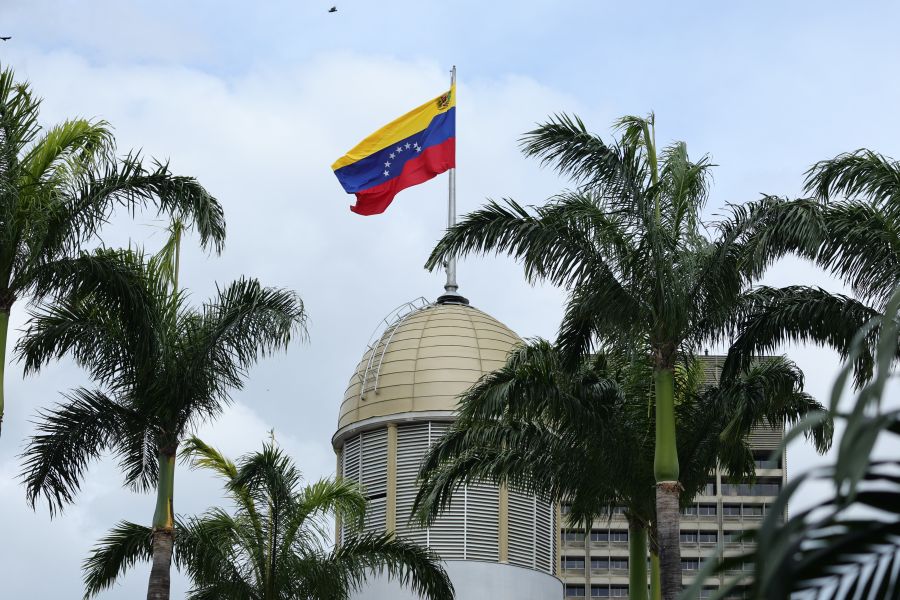
The European Union Agency for Asylum (EUAA) has published today its latest Country of Origin Information (COI) report on Venezuela, which updates the previous edition published in 2023. The report notably provides information on political and socioeconomic developments following the US intervention in early January 2026. It is intended to support EU+ asylum authorities in making well-informed decisions on asylum applications lodged by Venezuelan nationals in the EU+.
Following the 2024 presidential elections, which were marked by significant irregularities and whose results were not recognised by the opposition and several countries, nationwide protests erupted, leading to over 2 000 detentions and 24 deaths. Edmundo González Urrutia, who was recognised as the legitimate winner of the elections by several governments and international bodies, as well as the European Parliament, left for Spain in September 2024, while opposition leader Maria Corina Machado spent most of her time in hiding until December 2025, when she was awarded the Nobel Peace Prize.
Following President Maduro’s capture by the US Government, Vice‑President Delcy Rodríguez was sworn in by the National Assembly as 'interim president'. She has since implemented a series of changes across the executive, the military, and the economic sector, as well as limited steps on transparency and an amnesty law, which led to the release of a number of prisoners. No elections have been scheduled, however. The US have also eased economic restrictions by allowing US companies to conduct business with the State-owned oil and gas company. Venezuelan and foreign investors are returning to the country, particularly in the oil industry and infrastructure.
Despite these changes, the repressive State apparatus remains intact, and patterns of repression, institutional mistrust, and judicial opacity continue to persist. Further, a wide range of criminal actors continue to operate in Venezuela including Colombian criminal organisations, domestic structures such as megabandas, pranes, colectivos, and numerous regional or local gangs. An estimated 7.9 million Venezuelans were displaced abroad as of November 2025, most of them in Colombia, Peru, and Brazil as a result of the instability in the country.
EU Asylum situation for Venezuelan nationals
Between October 2023 and January 2026, Venezuelans lodged close to 190 000 asylum applications in the EU+, making Venezuela the third most-populous country of origin. Applications rose from just over 5 000 in October 2023 to around 8 300 in October 2025. Since November 2025, however, applications have been trending downwards. Between October 2023 and January 2026, over 90% of applications were lodged in Spain (173 000), followed at a distance by Germany (6 100) and France (4 900). Almost all of them were first-time applications.
The EU+ recognition rate for Venezuelans was very low, at less than 3 %. However, Spain which issued the vast majority of decisions to Venezuelans at first instance, granted national forms of protection in almost all cases. These are not reflected in the recognition rate, as , under the Qualification Regulation, these were considered negative decisions.
Finally, 121 000 applications by Venezuelans were pending a first instance decision by the end of January 2026. Venezuelans accounted for more than half of all pending cases in Spain.
Background
The EUAA regularly updates its Country of Origin Information reports, which aim to provide accurate and reliable up-to-date information on third countries to support EU+ national asylum and migration authorities in reaching accurate and fair decisions in asylum procedures, as well as to support national policymaking.